


From Discus to Quiots to Horseshoes: How Horseshoes Had its Start in a (Seemingly) Unrelated Olympic Sport

Ancient Grecians surely watched with anticipation as their favorite contestants competed in early Olympic events like boxing, archery, chariot races and discus throwing.
The discus was similar in form to a modern quiot – metal, rope or rubber rings – but not in size or weight. Originally, it was a metal or stone circular disk, 10 or 12 inches in diameter, with a thong passed through the center hole. The athlete swung the disk by the strap and released for greatest possible distance.
Quiots is a traditional game involving the throwing of rings over a set distance, usually to land on or near a spike.
It is believed that poor Greeks who could not afford the discus set up a stake and threw discarded horseshoes at it.
“Horseshoe historians have not been able to discover when the game of quoits or horseshoes was changed so that it was pitched at two stakes, but it is pretty well established that horseshoe pitching had its origin in the game of quoits and that quoits is a modification of the old Grecian game of discus throwing,” according to the National Horseshoe Pitchers Association.
Changes were notable over the last 150 or so years:
-1869: The distance between the stakes was 19 yards. The player stood level with the stake and delivered his quoit with his first step. There was no weight requirement but the outside diameter could not be more than eight inches. The ground around the stake was clay and all measurements for points were taken between the nearest parts of both quoit and stake.
These became the rules favored in the United States, but no records were kept until 1909. The game seemed to be favored among soldiers in most wars. They brought it home with them and pitching courts were laid out in hundreds of communities across the country.
-1910: The first horseshoe pitching tournament in which competition was open to the World was held in the summer of 1910 in Bronson, Kansas.
-1914: The first ruling body of horseshoe pitching of which any record was found was organized in a court room of the First District Court, Kansas City, Kansas. Stakes at this time were 38-feet apart.
-1919: The National League of Horseshoe and Quoit Pitchers was organized at the National Tournament in St. Petersburg, Florida, with representatives from 29 different states attending. They were given a charter under the laws of the State of Ohio, June 17,1921. In the 1919 Tournament, the distance from each stake was changed to 40 feet, distance that is in effect today.
-1930s-1940s: Stake height raised to 12 inches.
-1950: Stake height changed to between 14 and 15 inches.
-1982: The last major rule governing play was enacted. An official game is 40 points.
It is estimated that upwards of fifteen million enthusiasts enjoy pitching horseshoes in the United States and Canada in tournaments, leagues, recreation areas, and backyards.
*Information derived from National Horseshoe Pitchers Association
_____
To see the game in action, visit the Cajun Coast Classic October 15-16 at Kemper Williams Park in Patterson, LA.
More than 70 pitchers hailing from 16 states are scheduled to take part in the tournament, slated as the final event for the 2016 season of The Horseshoe Tour.
The tournament begins at 8:30 a.m. Saturday and Sunday and is open for public viewing. Concessions will be available. Entrance to Kemper Williams Park is $2 per vehicle.
10 Things to Know About the Southwest Reef Lighthouse

Located on the western bank of the Atchafalaya River in Berwick, Louisiana, the Southwest Reef Lighthouse is the centerpiece of the Everett S. Berry Memorial Lighthouse Park. In 1987, the lighthouse was lifted from the screw piling – where it sat since before the Civil War – in an attempt to preserve the historic structure for future generations.
Visitors to the park may view the historic structure up close while enjoying scenic views of the Atchafalaya River, relax or try their luck fishing from the recently restored wharfs, or stroll the heights of the protective seawall.
1· The historic structure is 1 of only 3 easily accessible lighthouses in the State of Louisiana.
2· Predating the American Civil War, the square, pyramidal tower constructed of iron plates was first lit September 1, 1859.
3· The lighthouse was unique in shape for the Gulf, a square pyramid sheathed in iron with a 28-foot base and standing 37 feet in height.
4· The Southwest Reef Lighthouse guided mariners on the Atchafalaya Bay until it was decommissioned in 1916.
5· It remained abandoned until 1987 when it found a new home in Berwick Bay.
6· It now stands sandwiched between the Atchafalaya River waterfront and the Great Sea Wall that protects the Town of Berwick from the mighty river’s floodwaters.
7· In 1988, the lighthouse itself was place on the National Registrar of Historic Places. It was placed in its current location—the Everett S. Berry Memorial Lighthouse Park— in 1990 and opened to public viewing in 1996.
8· A Fresnel lens and fog bell similar to what would have been used in the lighthouse are displayed in the lobby of Berwick Town Hall, located 2 blocks west of the park on Third Street.
9· Each fall, the Lighthouse serve as the terminus for the 135-mile Tour de Teche. Beginning the first Friday in October this annual race for canoes, kayaks, pirogues (the traditional Cajun canoe), and SUPs traverses the entire length of Bayou Teche in southwestern Louisiana.
10•The lighthouse, now a part of the town’s seal, also serves as the centerpiece for Berwick’s Lighthouse Festival held annually in conjunction with the finish of the Tour du Teche.
During regular business hours, bring your Lighthouse Passport by Town Hall for stamping and receive a commemorative pin. Admission to the Everett S. Berry Memorial Lighthouse Park is free.
Eclectic, creative, unique and empowering – Visit Franklin’s Historic Main Street

For a step back in time to the days of wandering the hometown Main Street to shop for your wares, one only needs exit U.S. 90 at the picturesque town of Franklin, LA.
You’ll find eclectic collections, antiques, local souvenirs, gifts for every taste on your list and more tucked into the shops that inhabit reinvented store fronts in the Historic District.
Driving toward the picturesque small town, you’ll pass a 19th century boulevard of cast iron street lamps and moss-covered oaks in a community with over 400 historic buildings.
Shopping highlights include Chic and Shabby, “a unique blend of a number of businesses under one roof,” according to Betty Veder.

Find your Franklin souvenirs here. Also in the shop are antiques, religious items, home décor, jewelry, local art, cypress furniture, locally-made pepper sauces and flavored olive oils – and even something for the guys.

Then, venture down to Lamp Lighter, “a great place to find furniture for your home, whether you like old fashioned or rustic, or unique, one-of-a-kind items for your personal collection or to give as gifts,” Suzanne Wiltz explained.
Lamp Lighter is the classic antique store with a bit of a rustic style. Not sure exactly how to display your new treasure? Wiltz can help. She sends a design e-newsletter out every two weeks featuring ideas for projects using items in stock.
French Door, is the new kid on the block. It’s “a place to create, shop and escape,” said Kathy Latiolais.

The French Door is a collection of shop owners who previously displayed their wares at Chic and Shabby, but don’t think you’re in for two shops of repetition. Each is unique in its own right.
French Door offers painted furniture and workshops on how to DIY. They even carry a line of chalk-type paint, Queen City, which is a Louisiana product featuring quirky local names for the colors. The store offers photography prints, a wedding registry, “Southern hospitality” accoutrements and gourmet and vintage sections.
It is designed to be “a creative and empowering space,” Latiolais said.
 For lunch, you’ll want to check out Landry’s Hot Tamales, “serving the great town of Franklin and the surrounding areas for 30 years.” Landry’s serves a lot more than tamales – plate lunch specials daily mean you can get down home Cajun cooking and a soft drink for under $10.
Another great option is Joe’s on the Bayou where you can dine on Cajun, Creole, seafood or soul food on a patio overlooking the beautiful Bayou Teche. Live entertainment and karaoke nights make this restaurant a must-see.

Also on Main Street, you’ll find Texada Jewelry and Gifts, Fads, Lamp Station Flea Market and Center of Hope Bargain Store. For an overnight stay, visit Fairfax House, a luxury antebellum home near the historic district also situated right along beautiful Main Street. The inn features six elegant rooms, spacious porches and lovely grounds near the Bayou Teche.
The Harvest Moon Festival and the Tour du Teche are great times to launch your trip into Franklin!
Landry’s Hot Tamales, 1104 Main Street, Franklin LA
Hours: Monday – Friday, 10:30 a.m. to 2 p.m. and 5 p.m. to 8 p.m.
Joe’s on the Bayou, 103 Wilson Street, Franklin LA
Hours: Saturday – Tuesday, 7 a.m. to 2 p.m. and 4 p.m. to 9 p.m.; Wednesday and Friday, 7 a.m. to 9 p.m.; Thursday, 7 a.m. to 10 p.m.
Chic and Shabby, 716 Main Street, Franklin, LA
Hours: Tuesday – Friday, 10 a.m. to 5 p.m. and Saturday, 10 a.m. to 3 p.m.
Lamp Lighter, 731 Main Street, Franklin, LA
Hours: Tuesday – Friday, 10 a.m. to 5 p.m. and Saturday, 10 a.m. to 2 p.m.
Lamp Station Flea Market,
Monday, Wednesday and Friday, 10 a.m. – 5 p.m.; Tuesday and Thursday, 9 a.m. to 4:30 p.m.
French Door, 608 Main Street, Franklin, LA
Hours: Monday – Friday, 10 a.m. to 5 p.m. and Saturday, 10 a.m. to 3 p.m.
Fairfax House, 99 Main Street, Franklin, LA
What’s a Festival Without Shrimp and Oil?

The 81st edition of the Louisiana Shrimp & Petroleum Festival kicks off today with a ribbon cutting and carnival before getting into full swing this weekend. Want to know what to expect? Take a look back at the 2015 edition of the oldest chartered harvest festival in the state through the eyes of local blogger and journalist Danika Foley.
Gravel pebbles under my soft-soled shoes are a quick indication that I’m ill-equipped for today’s walking tour at the 80th Annual Louisiana Shrimp and Petroleum Festival. But, I can’t help but be excited to see, taste and hear this year’s selection of music and food. I’ve been visiting this fest for about 10 years. It’s the right amount of stir crazy for this quaint city on the mighty Atchafalaya River. It’s nestled in a historic, residential neighborhood of mixed architectural homes and manicured lawns in Morgan City. One could easily step outdoors right into the heart of one of the biggest and busiest parties St. Mary Parish has ever seen. It’s a major tourist draw but the hometown folk enjoy it just as much.
I started my rounds at the jam-packed arts and crafts Vendors Row; brimming with pedestrian traffic just as that of the vehicle traffic bustling above on the iconic US 90 Bridge. The five-block neighborhood festival is alive with thousands of tourists and residents sprawling like ants from a dirt colony into what is often considered a relatively quiet community.

Still image credit: KWBJ TV 22
Swamp Pop tunes wafted into the air mixing with the addictive food smells from some of south Louisiana carnival foodie favorites; funnel cakes, gator bites, shrimp and crawfish platters and cotton candy. The combination signified that the state’s oldest chartered festival was in full swing. So many choices that my eyes and stomach were in constant disagreement making it difficult to settle on just one meal. My palate finally met its mate; a sausage link sandwich smothered in grilled onions and red peppers washed down with freshly- squeezed lemonade. The festival boasts itself as a family environment, but after-dark festivities in the park are better suited for adults.

Photo credit: Schola Photography
Parents would be best to shuttle their kiddos away to the bridge area for amusement rides and games. By the time the sun was set, alcoholic beverage consumption was rampant including my favorite, the Hurricane. The “spirits” booth is sponsored by a philanthropy-driven organization of teachers, principals and other business persons, but their specialty drink is anything but mild-mannered and professional. The Hurricane packed a punch greater than a Category 5 storm. Trust me, it only takes one. Employing a taxi or designated driver to transport you to your next destination would be your best bet to make it home safely.
The Labor Day holiday weekend’s steam bath of blistering temperatures were a better backdrop to the festival’s milestone year compared to 2014’s incessant rainshowers. Although the sun beat my face and sweat dripped to creases and folds I didn’t know existed, I still managed to fully partake in the festivities. I weaved through the cluster of attendees and made my way to the blacktopped, wooden dance floor. During the hottest part of the day, festival goers thought it better to dance in their lawn chairs under the shade of the park’s magnificent oak trees than to venture into the intense heat. But, by night, the floor was hidden under the feet of Cajun two-steppers and dance-how-you-want enthusiasts.

Still image credit: KWBJ TV 22
A favorite around these parts, Wayne Toups drew crowds that extended into almost all ends of the park. Toups’ salt-and-pepper beard, flat-brimmed hat, alligator-tooth necklace and rapid accordion playing made him a likely character from a TV series set in the Louisiana swamps. His lighthearted Cajun tunes were well-received, and I more of a blues lover, was treated to a Toups’ remake of James Brown, “It’s a Man’s World.” His rendition, along with his smiling bearded face and the crowd’s reception, gave me a reason to tolerate my bath in South Louisiana’s unforgiving humidity and stay a little bit longer.

Still image credit: KWBJ TV 22
From one artist to another…
Toups and his band were accompanied on stage by famed artist, Tony Bernard. Bernard arranged his own funky piece…on canvas, that is; presumably sold to the highest bidder. It was a crowned pelican. It seemed almost befitting to see Toups and Toulouse (my name for the pelican) side by side on the the same stage — like two kings on their respective thrones; Toups, a music monarch of Grammy-award winning proportions alongside the state’s majestic bird. And, when the last song was played, my soft-soled shoes had become a second layer of epidermis on my feet. But, it was well worth the five-block walk.
What’s a festival without oil and shrimp? Well, #ibedamned
_________________
Danika Foley is a journalist who moonlights as a blogger sharing stories often untold but most worthy of attention. Follow the rantings of an introverted extrovert, people watcher and old soul at ibedamned.wordpress.com.
Get Ready for Fall on the Cajun Coast, Y’all!
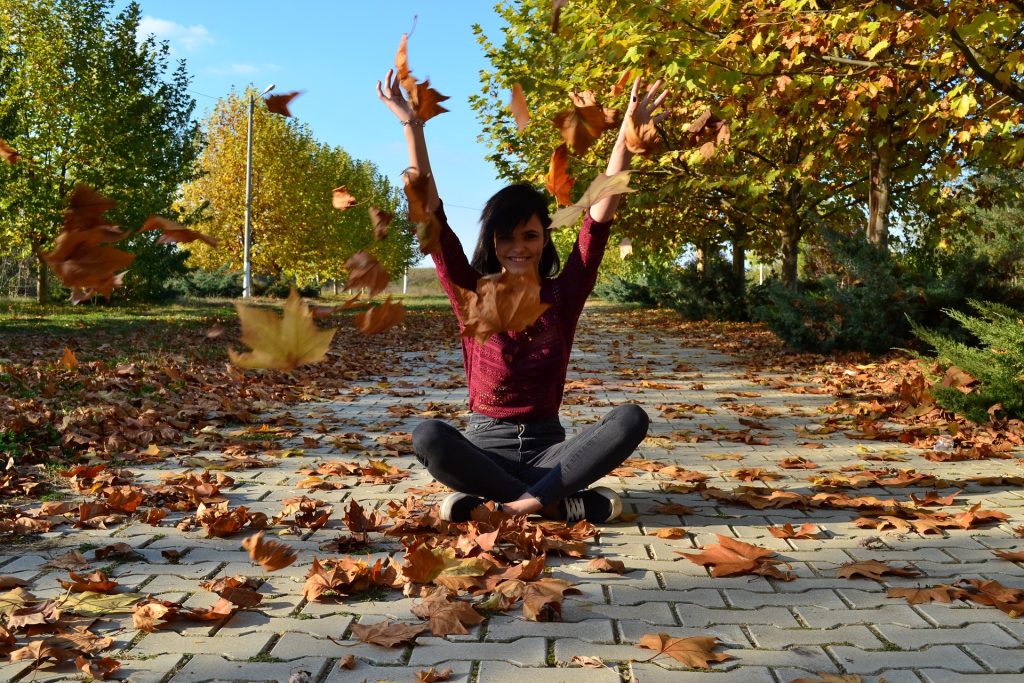
Crisp air, crunchy leaves tumbling to the ground and tons of festivals – It’s fall on the Cajun Coast, y’all.
The fun doesn’t stop. Here’s the festival lineup from September until the holidays:

Louisiana Shrimp & Petroleum Festival | September 2 – 5, 2016 |Morgan City, LA
Tap your toes and tempt your taste buds at Louisiana’s oldest state-chartered harvest festival. This four-day extravaganza of family entertainment includes continuous live music by local and national acts, a huge arts & crafts show and sale, a Children’s Village, the Cajun Culinary Classic, the traditional Blessing of the Fleet and water parade…all with no gate fee!
Visit www.shrimp-petrofest.org for a schedule of events and additional information.
Tour du Teche/ Berwick Lighthouse Fest | October 7 – 9, 2016 | Bayou Teche
Experience a 135-mile, three-stage canoe and kayak race from Port Barre to Berwick, through the heart of Cajun Country. Visit www.tourduteche.com for additional information.
DSRA Drag Boat Racing | September 24-25, 2016 | Morgan City, LA
Outboard power racers gather at some of the South’s premier waterways to showcase their skills in drag boat racing.
Visit www.deepsouthracing.net for additional information.
 Chitimacha Pow Wow | October 22, 2016 | Charenton, LA
The public is invited to view competition dancing, food and craft vendors with special presentations by Hoop Dancer Lyndon-Alec (Alabama-Coushatta) and Poarch Creek Stomp Dancers all held in The Pavilion at Cypress Bayou Casino • Hotel — a climate controlled arena with bleacher seating. Don’t miss the drum competition and live Medicine Tail recording. The grand entry, gourd dances and a basket raffle highlight the event.
Visit www.chitimacha.gov for more information.
Harvest Moon Fest | October 29, 2016 | Franklin, LA
Welcome fall with all-day festivities on Franklin’s charming Main Street, featuring live music; a children’s carnival, teen activities, an antique, hot rod, classic car and motorcycle show, concessions and special retail promotions.
Contact 985.380.8224 for additional information.
For all the latest, visit the Cajun Coast on Facebook. Find us on Twitter, or give us a call at 800.256.2931.
It’s #NationalAviationDay – Visit Your Local Museum

National Aviation Week is celebrated this year August 15-21. It’s always during week of Orville Wright’s birthday – August 19.
National Aviation Day is observed each year on August 19th. This day is dedicated by Presidential Proclamation to those who helped pioneer aviation in the United States.
Established in 1939 by President Franklin Delano Roosevelt, this holiday was issued a presidential proclamation designating the anniversary of Orville Wright’s birthday to be National Aviation Day. Born August 19, 1871, Orville Wright was still alive when the proclamation was issued and went on to live for nine more years until his death in 1948.
Two American inventors and aviation pioneers, the Wright brothers, are credited with inventing and building the world’s first successful airplane and making the first controlled powered and sustained heavier-than-air human flight on December 17, 1903.
Learn about Louisiana aviation pioneers Jimmie Wedell and Harry P. Williams who formed an air service in 1928 in Patterson when you visit the Wedell-Williams Aviation & Cypress Sawmill Museum (A Louisiana State Museum) in Patterson.
Wedell and Williams became nationally prominent during the Golden Age of Aviation. Although both men ironically perished in plane crashes, their legacy lives on in the memorabilia and planes on display in this collection.
State of the art displays include numerous aircraft and 1930s air racing trophies and memorabilia. The David J. Felterman Theater features and exciting air racing film that visually and kinesthetically transports you to the 1932 Cleveland National Air Races.
While there, visit the twinned cypress sawmill collection that documents the history of the cypress lumber collection in Louisiana. Lumber became the state’s first significant manufacturing industry, and Patterson once was home to the largest cypress sawmill in the world.
Want more? The Plantation Photographs of Robert Tebbs exhibition runs for a year at the Patterson museum beginning August 25.
In 1926, with New Orleans architect and preservationist Richard Koch as a guide, Tebbs photographed nearly 100 Louisiana plantations, including well-known sites like Whitney, Belle Grove, Oakley, Rosedown, Oak Alley, Brame, Labatut, Shadows-on-the-Teche, Waverly, Ellerslie, Parlange, Belmont, Goodwood, the Cottage, Chretien Point, Uncle Sam, Bagatelle, Ashland-Belle Helene, Houmas House/Burnside, Madewood, Rene Beaureguard, Calumet, Hurst-Stauffer and Rienzi.
The exhibition features 43 gelatin silver prints documenting plantation architectural styles from the 18th and 19th centuries.
Because Tebbs also sought out more obscure or modest properties, he provided a comprehensive record of Louisiana plantation architectural styles.
Tebbs died in 1945 and in 1956 his widow, Jeanne Tebbs, sold the complete collection of 332 Louisiana plantation prints and negatives to the Louisiana State Museum.
Cost of admission? Free. Value? Priceless.
#NationalAviationDay